
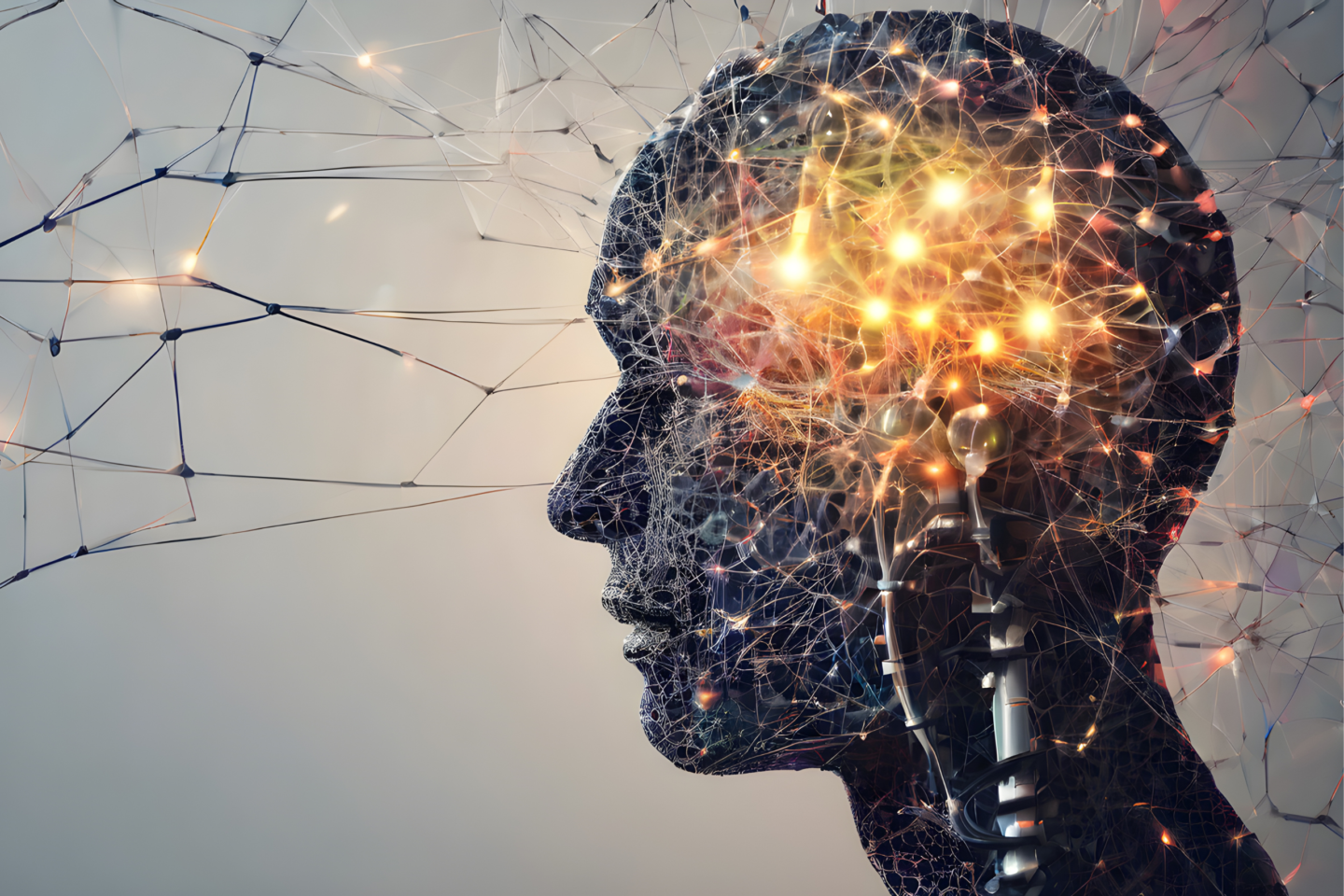
One of the most important ideas in modern neuroscience is that the brain is not fixed. Our brains are constantly adapting based on what we experience, what we practice, and how we respond to the world around us.
This ability is called neuroplasticity – the brain’s ability to create, strengthen, and reorganize connections over time.
This is one of the reasons therapy works. Therapy is not about “just talking.” It is about helping the brain learn new ways of thinking, feeling, and responding.
The Brain Learns From Repetition
The brain is designed to become more efficient at things we do repeatedly.
Think about learning a new skill. The first time someone learns to ride a bike, play an instrument, or drive a car, it requires a lot of focus. Over time, with practice, those actions become more automatic.
The same thing happens with emotional and behavioral patterns.
When someone repeatedly responds to stress with avoidance, their brain gets better at avoiding. When someone repeatedly practices coping skills, problem-solving, or approaching difficult situations, their brain gets better at those too. The brain strengthens what we practice.
Why Anxiety and Avoidance Can Feel So Automatic
Many mental health challenges involve patterns that have been reinforced over time.
For example, when someone avoids something that feels scary or uncomfortable, they often feel immediate relief. That relief teaches the brain: “Good! Avoiding helped me feel better.”
The problem is that avoidance can make anxiety stronger in the long term, as the brain learns that avoidance is the skill that prompted relief.
Evidence-based treatments such as Cognitive Behavioral Therapy (CBT) and Exposure and Response Prevention (ERP) work by helping people practice new responses. By approaching feared outcomes or emotions in a structured, scaffolded way, we offer the brain new data about our ability to respond effectively in the face of discomfort. Over time, the brain learns:
“I can handle this, even if I feel anxious.”
“This feeling will pass.”
“I don’t need to avoid.”
Therapy Builds New Pathways Through Practice
Different treatment models target different skills, but they all rely on the brain’s ability to change.
In therapy, people may practice:
- identifying unhelpful thought patterns
- regulating intense emotions
- tolerating distress
- approaching fears instead of avoiding them
- improving flexibility and problem-solving
- building healthier habits
Each time someone practices a new response, they strengthen the neural pathways connected to that skill. This is why therapy often includes practice between sessions. The goal is to understand a skill and build the ability to use it independently when life gets hard.
Why Change Can Feel Difficult (Even When You Understand What to Do)
A common experience in therapy is: “I know what I’m supposed to do… so why is it still so hard?”
The answer often comes back to the brain. Understanding something intellectually and being able to do it automatically are different skills. Someone may know that avoidance reinforces anxiety or that they can tolerate uncomfortable emotions, but applying that knowledge during a stressful moment takes practice.
Think about learning to lift weights. Someone can understand exactly how to perform a bicep curl, but knowing the steps does not mean they can immediately lift a heavy weight. Strength develops through repeated practice that gradually builds capacity over time. The same is true for emotional skills — knowing a coping strategy is the first step, but practicing it repeatedly is what strengthens the brain’s ability to access that skill when it matters most.
New pathways need repetition before they become stronger than old ones.
Developing Brains Have Incredible Capacity for Change
Children, adolescents, and young adults are constantly building and refining brain connections.
This is why early intervention can be so powerful. When young people practice emotional regulation, coping skills, flexibility, communication, and problem-solving, they are strengthening skills they can carry into the future.
Neuroplasticity reminds us that struggles are not permanent traits — they are patterns that can change. The brain is always learning.
With support, practice, and the right tools, people can build new ways of responding and create meaningful change. Caregivers, schools, and therapists all help create the environments where those skills can grow.
At Boston Child Study Center, our evidence-based treatments are grounded in this belief: people can learn, grow, and change.