




DBT is more than managing emotions — it's a structured, evidence-based approach to building a life worth living.
How It Works:
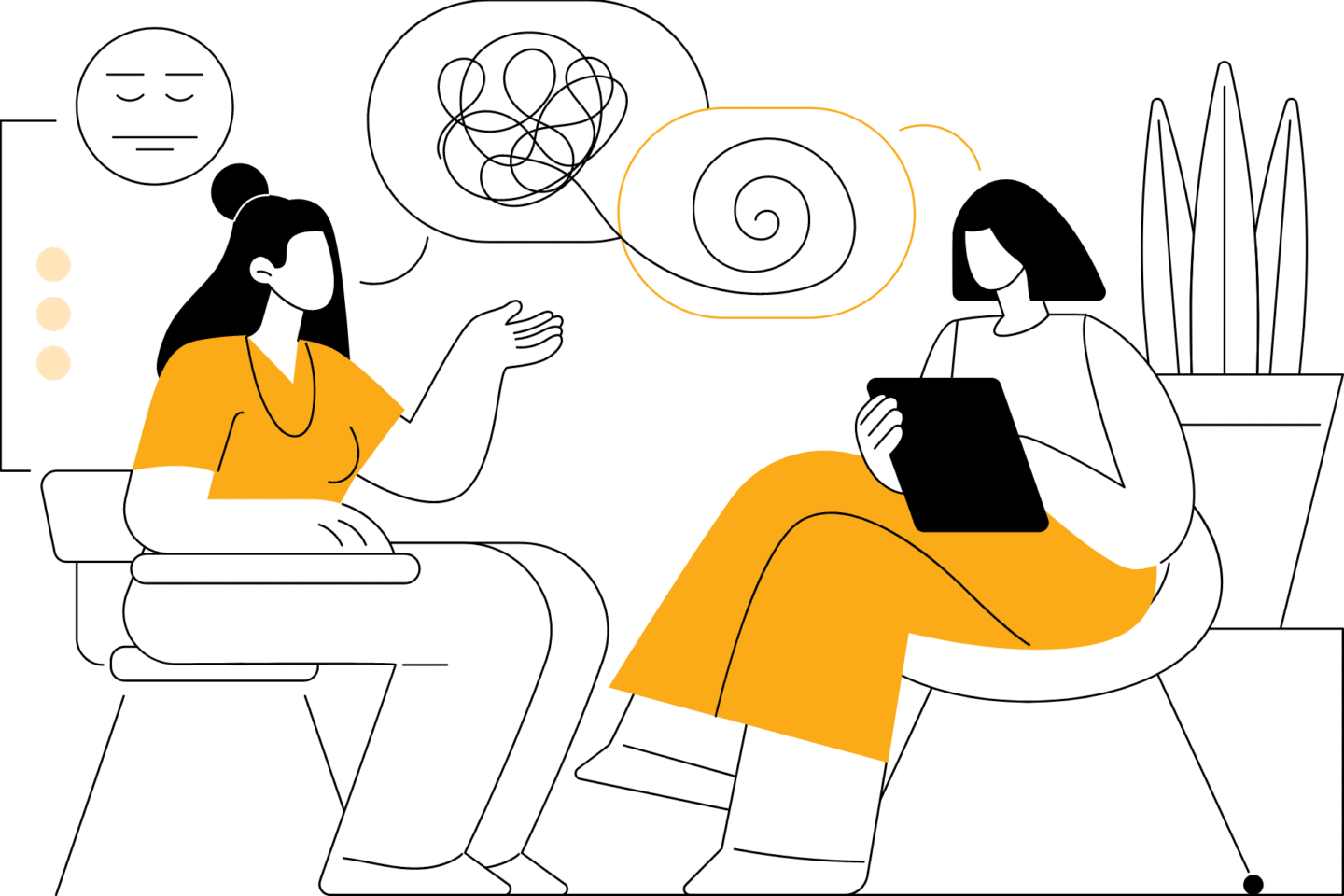
Dialectical Behavior Therapy (DBT) is an evidence-based treatment designed for individuals who experience intense emotions, high-risk behaviors, and relationship challenges that have not improved with traditional talk therapy. DBT helps people understand their emotional experiences as meaningful signals, while teaching concrete skills to manage distress, regulate emotions, communicate effectively, and make choices that align with long-term goals.
DBT works by combining acceptance and change strategies within a structured, behavioral framework. Treatment includes individual therapy, skills training, and team consultation to ensure consistent, high-quality care. By learning to notice emotional signals, respond skillfully, and reduce behaviors that create suffering, clients experience emotions as more manageable, relationships as more stable, and life as more worth living.
Program Includes:
- Individual therapy (in person or virtual)
- Multi-family Skills Group
- Family therapy and caregiver support
- Between-session Phone Coaching
- Weekly consultation meeting for clinicians
Why Choose DBT?
- Signal DBT is a comprehensive DBT program embedded in a multidisciplinary clinic, allowing collaborative, wraparound care for complex presentations.
- We personalize skills-based emotion-focused treatment, meet clients where they are, and offer alternative evidence-based pathways when clients graduate or when DBT isn’t the right fit—without families having to start over.
Frequently Asked Questions:
Who is DBT for?
DBT is designed for adolescents, young adults, and adults who experience intense emotions, emotional overwhelm, impulsive or high-risk behaviors, self-harm or suicidal thoughts, relationship instability, or difficulty managing distress — especially when traditional talk therapy has not been effective.
What makes Signal DBT a full-fidelity program?
Signal DBT follows the evidence-based model developed by Marsha Linehan. This structure supports consistent, high-quality care. Full-fidelity DBT includes:
- Weekly individual DBT therapy
- Weekly DBT skills training group
- Between-session phone coaching
- Weekly DBT consultation team for clinicians
What skills are taught in DBT?
Skills are taught in a group format and reinforced in individual therapy. DBT teaches practical skills across four core areas:
- Mindfulness – noticing emotional signals and staying present
- Distress Tolerance – managing crises without making things worse
- Emotion Regulation – understanding and reducing emotional vulnerability
- Interpersonal Effectiveness – communicating needs and strengthening relationships
What if DBT isn't the right fit?
As part of a multidisciplinary clinic, Signal DBT offers alternative evidence-based treatment options and thoughtfully planned transitions — so families don’t have to start over.
Our Locations
We offer in-person services at all locations, as well as virtual care through a secure, HIPAA-compliant telehealth platform.
Boston
Massachusetts
- (857) 400-9211
-
729 Boylston Street
Boston, MA 02116
Natick
Massachusetts
- (857) 400-9211
-
6 Union Street
Natick, MA 01760
Worcester
Massachusetts
- (857) 400-9211
-
31 Harvard Street
Worcester, MA 01609
Portland
Maine
- (207) 200-7860
-
10 Free Street
2nd Floor
Portland, Maine 04101
Check Out Our Blog

How Summer Camp Supports Emotional Growth in Kids
Summer camp is often thought of as a place for fun, adventure, and making memories. Beyond the games, crafts, and campfires, summer camp also provides

Why Emotions Feel So Intense
By Alaina Baker, PsyD Have you ever had an emotional reaction that felt bigger, faster, or more overwhelming than the situation seemed to warrant? Many

The Power of Validation: A Core Skill for Emotion Regulation
Validation is one of the most important skills in supporting emotional regulation, yet it is often misunderstood. Many people assume validation means agreeing, excusing behavior,