





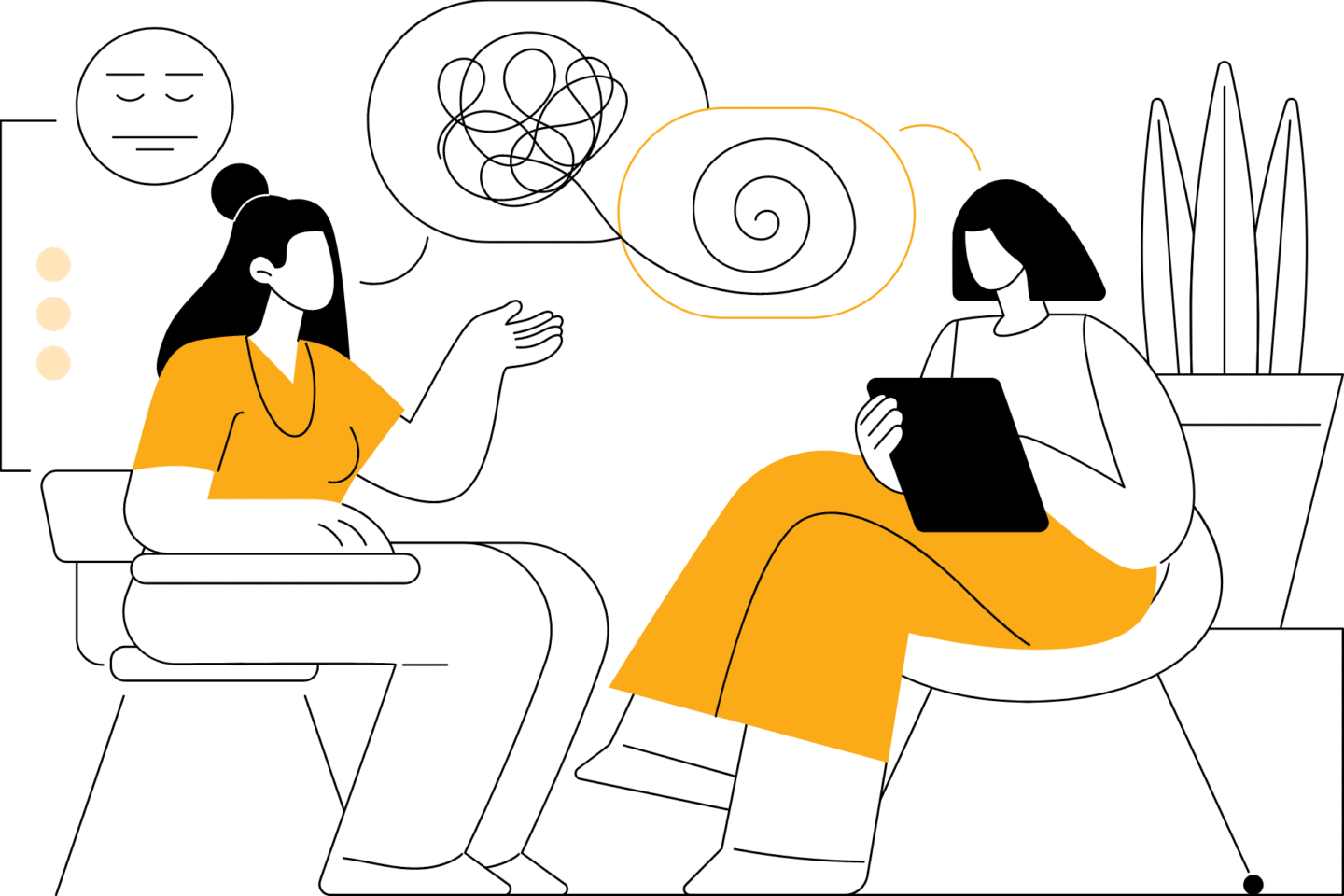

Acceptance and Commitment Therapy (ACT)
Build a meaningful, engaged life – even in the presence of difficult thoughts and emotions.
ACT helps individuals notice and make room for difficult emotions and thoughts, instead of fighting them, while learning practical skills to respond in ways guided by their values.
How It Works:
ACT starts from a simple idea: pain is a natural part of being human. Struggles often grow when we get caught in battles with our inner experiences—trying to control, avoid, or eliminate thoughts and feelings that cannot be fully controlled. Rather than focusing on eliminating discomfort, ACT emphasizes changing how we relate to thoughts, emotions, and memories so they no longer interfere with living a full, meaningful life. Individuals learn to notice these patterns with curiosity and compassion, respond more flexibly, and make room for discomfort in service of what truly matters to them.
Our work integrates ACT with a strong foundation in attachment theory and an appreciation for each individual’s unique context and learning history. We understand that ways of coping, relating, and making sense of oneself develop over time within relationships and environments. Therapy is not about changing who a person is, but about understanding how past strategies once served a purpose and supporting the development of new, more flexible responses that better fit current lives and relationships.
Treatment Includes:
- Individual Therapy
- Parent/Caregiver Guidance
- Family Therapy
- ACT Skills Groups (for individuals and caregivers)
Strategic Solutions + Patient-Centric Care
Our approach utilizes research-backed treatment so you or your child get better results, with less chance of reoccurrence. Plus, by monitoring treatments as they progress, we’re better equipped to avoid roadblocks and troubleshoot immediately should challenges arise.
Evidence-Based Assessments
Personalized Treatments
Compassionate Care
Patient-Centered Outcome Tracking
Why choose ACT?
ACT may be a good fit for individuals who:
- Notice that thoughts, emotions, or worries often pull them away from the life they want to be living, despite efforts to manage or control them
- Feel stuck in patterns of avoidance, overthinking, or self-criticism
- Want practical tools for navigating stress, anxiety, big emotions, or life transitions without needing to “get rid of” uncomfortable thoughts or feelings first
ACT may also be a good fit for parents/caregivers who:
- Are navigating emotionally charged moments with their children
- Want to respond with intention and values rather than reactivity
- Are working to hold space for a child’s emotions without becoming overwhelmed by their own
Frequently Asked Questions:
How is ACT different from other types of therapy?
Rather than trying to eliminate uncomfortable thoughts or emotions, ACT helps you build skills to respond to them more flexibly so they have less control over your choices and behavior. Instead of focusing on inward change, ACT focuses on behavior to facilitate outward change (which often has the byproduct of changing internal experience!).
Is ACT just about “accepting” problems and doing nothing?
No. Acceptance in ACT means making room for experiences that can’t be easily changed while actively working toward goals and values that are important to you.
What does ACT look like in sessions?
Sessions are practical and interactive, often involving conversation, exercises, metaphors, and real-life examples to help connect therapy skills to everyday situations.
What is the typical length of ACT therapy?
The length of therapy varies depending on goals and needs, but many people begin using ACT skills in their daily lives early in the process.
Do I have to talk about my past in ACT?
ACT primarily focuses on what is happening in the present and how to move forward, while still acknowledging how past experiences and learning history shape current patterns.
What if I’m not sure ACT is right for me or my child?
It’s okay to be unsure. ACT is a collaborative approach, and your therapist will work with you to explore whether this model feels like a good fit and adjust treatment as needed.
Check Out Our Blog

How Summer Camp Supports Emotional Growth in Kids
Summer camp is often thought of as a place for fun, adventure, and making memories. Beyond the games, crafts, and campfires, summer camp also provides a unique environment that supports social, emotional, and psychological development in ways that are hard to replicate in other settings. Research suggests that structured summer

Why Emotions Feel So Intense
By Alaina Baker, PsyD Have you ever had an emotional reaction that felt bigger, faster, or more overwhelming than the situation seemed to warrant? Many people describe moments where their heart is racing, their thoughts are spiraling, and they feel flooded by emotion, sometimes before they’ve even had a chance

The Power of Validation: A Core Skill for Emotion Regulation
Validation is one of the most important skills in supporting emotional regulation, yet it is often misunderstood. Many people assume validation means agreeing, excusing behavior, or “making things better.” In reality, validation is the process of communicating that someone’s internal experience makes sense within their context. It is not about