





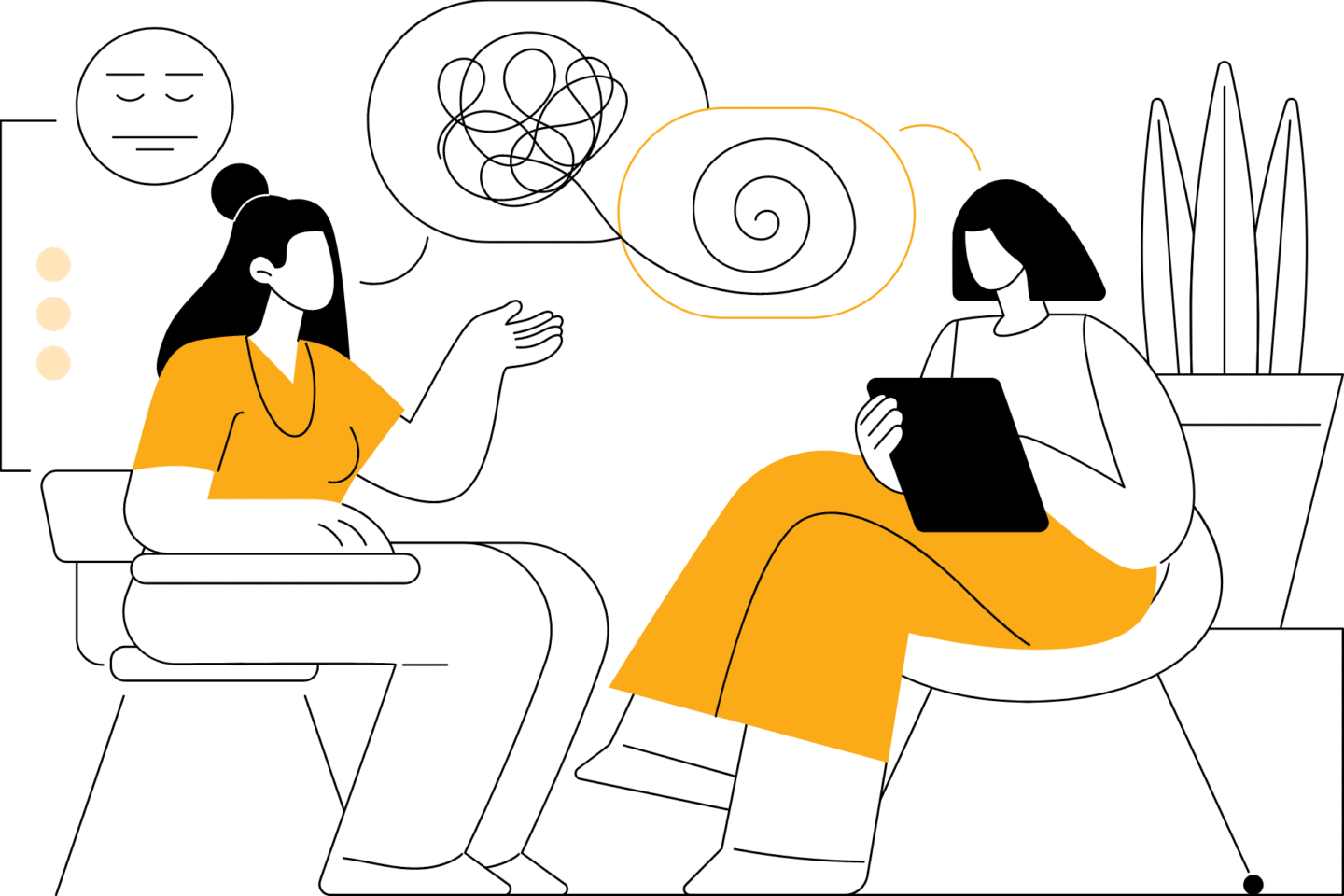

Individual Therapy
Personalized, one-on-one support to help children, teens, and adults process emotions, build resilience, and create lasting positive change in their lives.
Struggling with anxiety, depression, or other life challenges? Individual therapy at BCSC helps you explore the underlying issues behind these challenges — and leads to a deeper understanding of yourself and your patterns.
How It Works:
At BCSC, we believe therapy isn’t a one-size-fits-all solution. That’s why we utilize evidence-based treatments like CBT, DBT, and ACT as a way to meet your unique needs. Our approach starts with a thorough assessment to understand your symptoms, potential diagnoses, and underlying causes. We then collaborate with you to set personalized goals and track progress using expert research and proven methods.
Our treatment approach is always continuously refined to involve new techniques and technologies to better address a wide range of challenges — all in order to help individuals reduce suffering and build a more fulfilling life.
Modalities We Use:
- Acceptance and Commitment Therapy (ACT)
- Behavioral Activation
- Cognitive Behavior Therapy (CBT)
- Dialectical Behavior Therapy (DBT)
- Evidence-based trauma treatment
- Mindfulness training
- Values-based exposure therapy
- Supportive Parenting for Anxious Childhood Emotions (SPACE)
- Cognitive behavioral therapy for selective mutism
- Exposure & response prevention therapy
Strategic Solutions + Patient-Centric Care
Our approach utilizes research-backed treatment so you or your child get better results, with less chance of reoccurrence. Plus, by monitoring treatments as they progress, we’re better equipped to avoid roadblocks and troubleshoot immediately should challenges arise.
Evidence-Based Assessments
Personalized Treatments
Compassionate Care
Patient-Centered Outcome Tracking
Why Choose Individual Therapy?
- You’ll work towards individualized goals
- We’ll track your progress using personalized measures
- You’ll increase your understanding of your thought & behavioral patterns
Frequently Asked Questions:
What will happen in my therapy sessions?
Your therapy sessions will be unique to you, the issues you’re struggling with, and your goals. Your therapist will use various methodologies to help you address the root causes of the issue you’re facing, develop better coping mechanisms, and increase self-awareness.
How long will my therapy last?
The length of therapy depends on your individual challenges, needs, and goals. For some, short-term therapy is sufficient, but others may require longer-term support.
How frequently will I need to meet with my therapist?
It varies depending on your individual treatment plan. Weekly sessions are the most common. But depending on your specific situation, multiple sessions per week may be helpful. With time and progress, sessions will happen less frequently.
Is everything I tell my therapist confidential?
Yes, therapists are legally bound to protect your privacy by the Health Insurance Portability and Accountability Act (HIPAA). There are a few exceptions in extreme circumstances, such as imminent risk of harm to yourself or others. Otherwise, everything you say to your therapist is completely confidential.
Check Out Our Blog

Why Emotions Feel So Intense
By Alaina Baker, PsyD Have you ever had an emotional reaction that felt bigger, faster, or more overwhelming than the situation seemed to warrant? Many people describe moments where their heart is racing, their thoughts are spiraling, and they feel flooded by emotion, sometimes before they’ve even had a chance

The Power of Validation: A Core Skill for Emotion Regulation
Validation is one of the most important skills in supporting emotional regulation, yet it is often misunderstood. Many people assume validation means agreeing, excusing behavior, or “making things better.” In reality, validation is the process of communicating that someone’s internal experience makes sense within their context. It is not about

Emotions Are Signals, Not Symptoms: Understanding the Function of Emotions
Emotions are often treated as problems to fix: something to reduce, avoid, or “get rid of.” But from a skills-based and evidence-informed perspective, emotions are not symptoms of something going wrong. They are signals, offering important information about our internal experience and the world around us. When we begin to