





Parent-Child Interaction Therapy (PCIT)
Reduce disruptive behaviors at home & improve family relationships.
PCIT is more than an evaluation — it's an evidence-based intervention for young children and their caregivers.
How It Works:
As parents and caregivers, we’re often concerned that anxiety, mood, stress, developmental delays, attention deficits, school-based problems, or learning issues may be contributing to our child’s behavior.
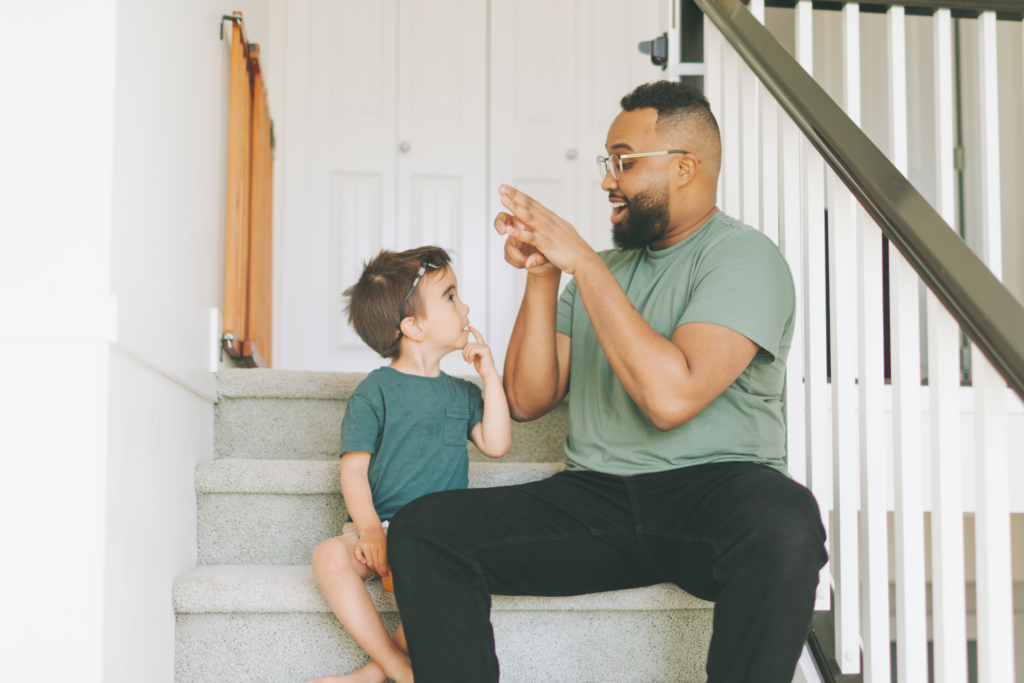
Parent-Child Interaction Therapy (PCIT) is our cornerstone treatment for young children (ages 2-8) experiencing behavioral challenges. This evidence-based approach gives parents the ability to build stronger connections with their children and promote positive interactions.
Individual Treatment Includes:
- PCIT for anxiety disorders
- PCIT for autism spectrum disorder
- PCIT for selective mutism
- Internet-delivered PCIT
- PCIT–toddler
Strategic Solutions + Patient-Centric Care
Our approach utilizes research-backed treatment so you or your child get better results, with less chance of reoccurrence. Plus, by monitoring treatments as they progress, we’re better equipped to avoid roadblocks and troubleshoot immediately should challenges arise.
Evidence-Based Assessments
Personalized Treatments
Compassionate Care
Patient-Centered Outcome Tracking
Why Choose PCIT?
- Helps mitigate disruptive behaviors in young children
- BCSC helps train parents/caregivers in helpful interaction techniques
- Reduces stress for both caregivers and children
Frequently Asked Questions:
Should I consider PCIT for my child?
PCIT is intended for children aged 2-8 who exhibit disruptive behaviors like tantrums, defiance, aggression, or difficulty following directions. Many children will exhibit those behaviors occasionally. But if you’re child exhibits these frequently, PCIT is worth consideration.
What kind of behavior changes will we see from PCIT?
PCIT reduces the frequency and intensity of tantrums and disruptive behaviors. As a result, you’ll see improved communications, increased positive attention for desired behaviors, and higher levels of compliance.
What happens in a PCIT session?
Your therapist will teach you specific interaction techniques to practice with your child. These techniques can be used during play or structured activities. Your therapist will have you practice those techniques, and give you feedback on how to improve.
Do both parents or caregivers need to participate in PCIT therapy?
Participation of both parents/caregivers is strongly recommended. PCIT equips caregivers with skills to be applied between therapy sessions. Using these skills on an everyday basis leads to better outcomes in a shorter period of time, and reduces the chances of reoccurring problematic behaviors.
Check Out Our Blog

Understanding Mindfulness: More Than Just Meditation
When people hear the word mindfulness, they often think of meditation — sitting quietly, clearing the mind, or trying to feel calm. But in psychological research, mindfulness refers to something broader and more practical: the ability to pay attention to the present moment with awareness and without getting automatically pulled

Supporting Children and Teens Through Summer Transitions: Balancing Flexibility and Structure
The transition from the school year into summer can feel like a welcome break, but for many children, teens, and families, it also brings a sudden shift in routine, expectations, and structure. While summer often offers more flexibility, most children and adolescents actually function best with a balance of predictability

What Makes a “Good” DBT Program?
Dialectical Behavior Therapy (DBT) is one of the most well-researched treatments for individuals experiencing chronic emotion dysregulation, self-harm, and suicidal behaviors. However, not all DBT programs are the same, and outcomes depend heavily on how closely a program adheres to the evidence-based model. DBT is not simply a set of