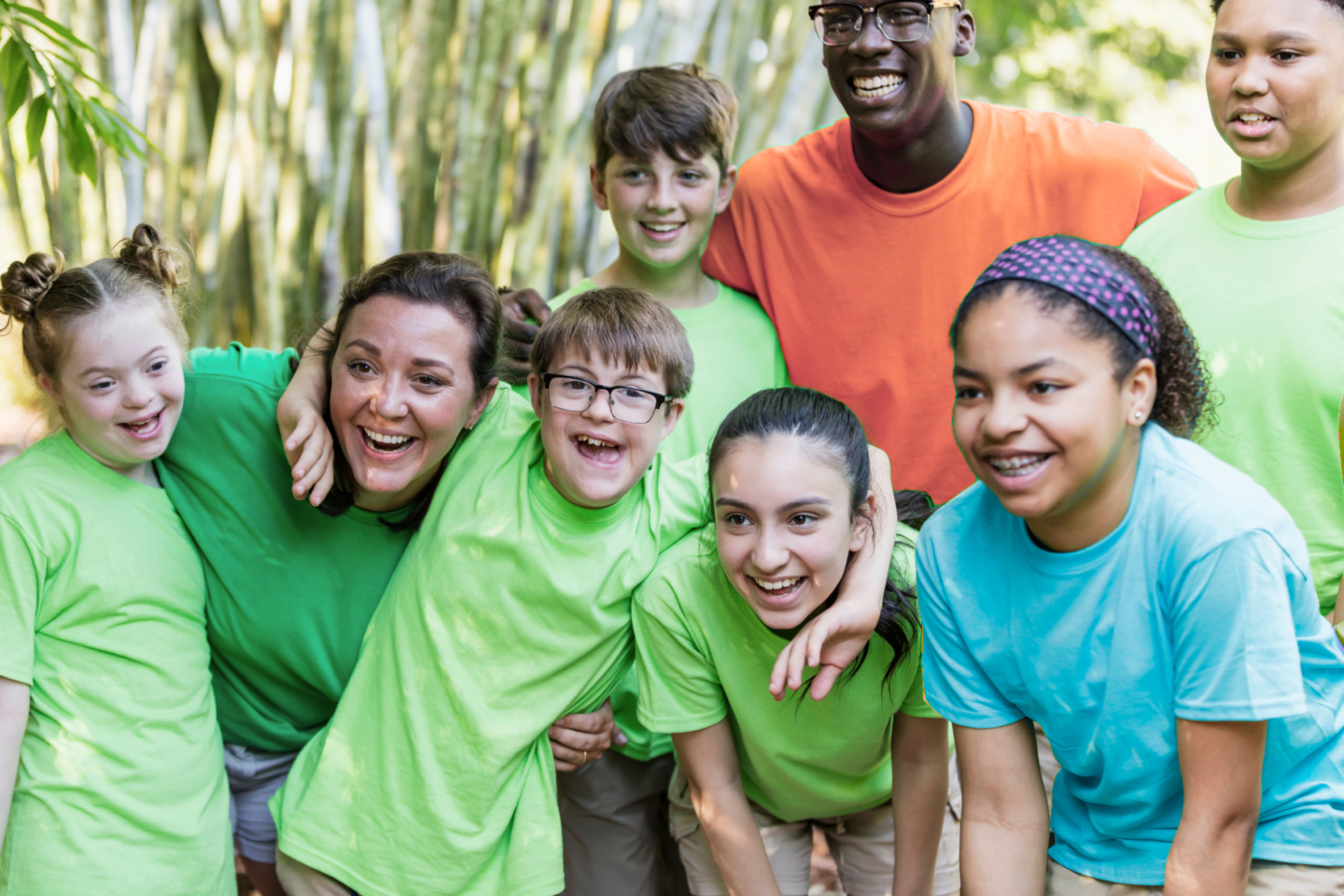
Summer camp is often thought of as a place for fun, adventure, and making memories. Beyond the games, crafts, and campfires, summer camp also provides a unique environment that supports social, emotional, and psychological development in ways that are hard to replicate in other settings.
Research suggests that structured summer camp experiences can have meaningful effects on young people’s emotional and social development. In a 2022 study of adolescents participating in a camp program, researchers found increases in empathy, emotion regulation, optimism, and assertiveness, along with improvements in positive affect and self-esteem after a relatively brief camp experience.
More broadly, structured youth summer programs have been associated with improvements in social-emotional outcomes, self-perception, and general well-being, particularly when programming includes intentional opportunities for connection, challenge, and reflection.
Why Camp Matters for Emotional Well-Being
1. Social Skills and Connection
Camp provides frequent, low-pressure opportunities for peer interaction, cooperation, and communication. These repeated social experiences help build empathy, perspective-taking, and relationship skills, which are foundational to emotional well-being.
2. Confidence and Independence
Camp programs offer meaningful contexts for youth to build autonomy, decision-making, and problem-solving skills. Overnight camps, in particular, provide an especially immersive opportunity, as living away from home and navigating a new environment further supports the development of these capacities. These experiences are associated with increased confidence and self-efficacy, particularly within supportive group settings.
3. Emotional Resilience
Camp naturally includes manageable stressors — trying new activities, navigating group dynamics, and adapting to new routines. These experiences provide opportunities to build coping skills, frustration tolerance, and flexibility, which are key components of resilience.
4. Reduced Stress and Increased Well-Being
Engagement in outdoor and structured recreational programming has been associated with improvements in mood and reductions in stress and anxiety symptoms, particularly when children are engaged in supportive peer environments and physical activity.
Summer Camp as a Developmental Experience
Unlike school environments that often emphasize performance and evaluation, summer camp emphasizes participation, exploration, and connection. This shift in context can be especially powerful for emotional development.
Camp experiences often support:
- A sense of belonging and inclusion
- Opportunities to try new roles and identities
- Practice with cooperation, leadership, and flexibility
- Growth through manageable challenge rather than high stakes performance
These elements work together to support emotional development in a way that is both experiential and relational.
What This Means for Families
For caregivers and clinicians, summer camp can be more than a seasonal activity – it can be a meaningful context for emotional growth, social learning, and confidence building.
While every child’s experience will vary, both research and clinical insight suggest that structured, supportive camp environments can play an important role in strengthening emotional well-being and resilience over time.
This summer, BCSC is offering four week-long programs designed to capture the spirit of camp, combining engaging, fun activities with intentional support for social skills, emotion regulation, and real-world coping strategies.
Learn more about each of our 2026 summer programs:
- Emotion Foundations Program
- Community & Connections Program
- DBT Skills Intensive
- Executive Functioning Bootcamp